
Where the wild never sleeps and the greatest wildlife spectacle on Earth plays out across a golden, endless horizon.
Introduction to the Serengeti
Some destinations redefine your soul. Serengeti National Park Safari stands as a premier jewel, spanning 15,000 square kilometers of Tanzanian soil. This sanctuary serves as a vibrant heart for wild Africa—a sprawling theater of sun-drenched savannas, granite outcrops, and lush woods that have endured for ages. Yet, the legendary Great Migration defines this realm. Each season, nearly two million beasts brave a perilous circuit toward the Maasai Mara, chasing life-giving storms. This epic trek remains the globe’s premier wildlife event, offering a profound journey that lingers in your mind.
Navigating the Heart of East Africa
Ever wondered where this eden lies? Nestled in northern Tanzania, the Serengeti spans a vast frontier northwest of Ngorongoro. It shares a border with the Maasai Mara in Kenya, creating a vital corridor for roaming herds. Arusha remains the essential gateway, located 325 km east, acting as the launchpad for your safari adventure. To reach this wilderness, travelers usually arrive via Kilimanjaro International Airport (JRO) or Dar es Salaam. From these hubs, a short hopper flight to a bush airstrip or a scenic drive through the crater highlands will deliver you to the very center of the action in no time at all.
Whether you desire a rugged budget camp or an elite luxury lodge, our custom trips suit every taste. Every expedition is expertly led, ensuring all permits and transit needs are handled for a seamless adventure.
Every sunrise brings a new story. From the quiet morning mist to the intense drama of big cats on the prowl, you will witness the raw, authentic pulse of the African wild in real time.
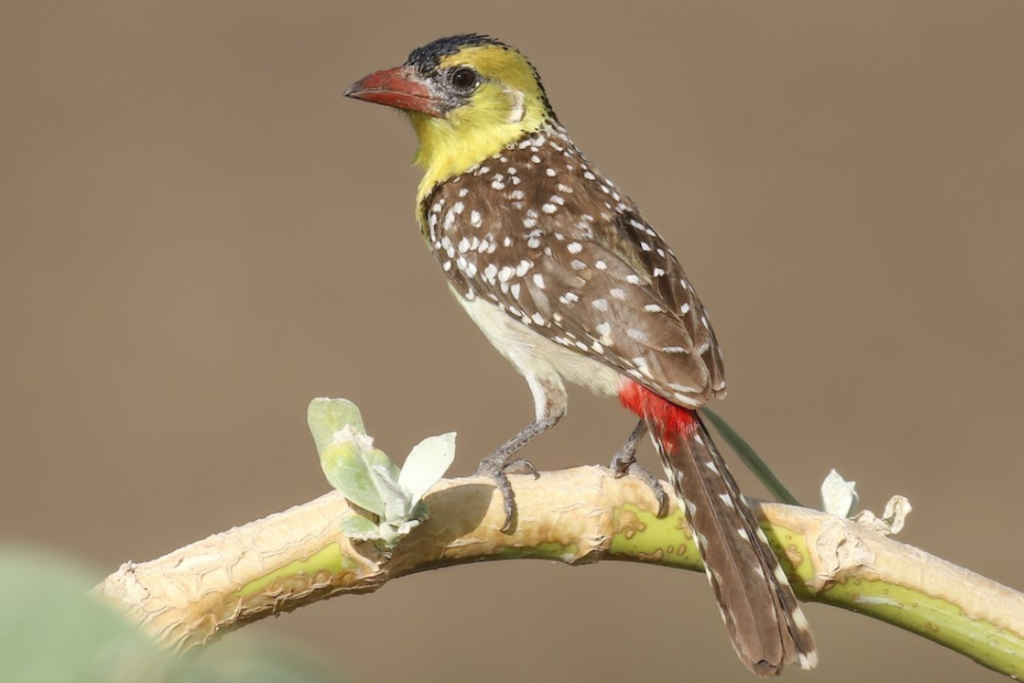
The Serengeti holds a massive concentration of mammals. Lions, leopards, and elephants share this vast landscape with millions of migratory animals across the plains.
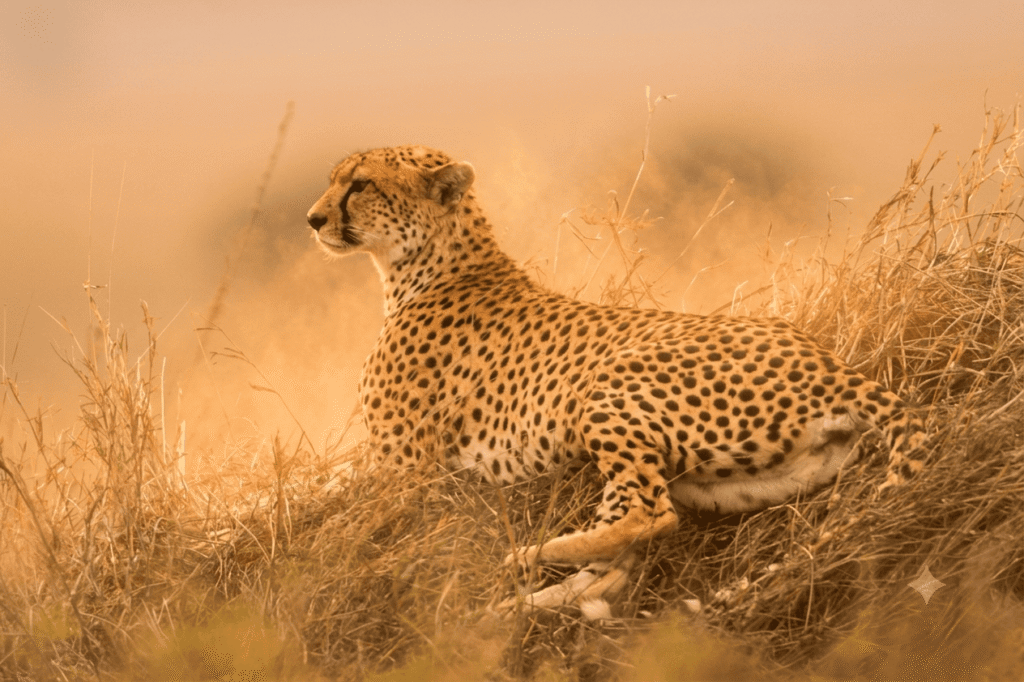
From the Central Seronera plains to rocky Lobo kopjes and the green Western Corridor, the Serengeti’s diversity surprises even veterans. Nature’s variety at its peak.
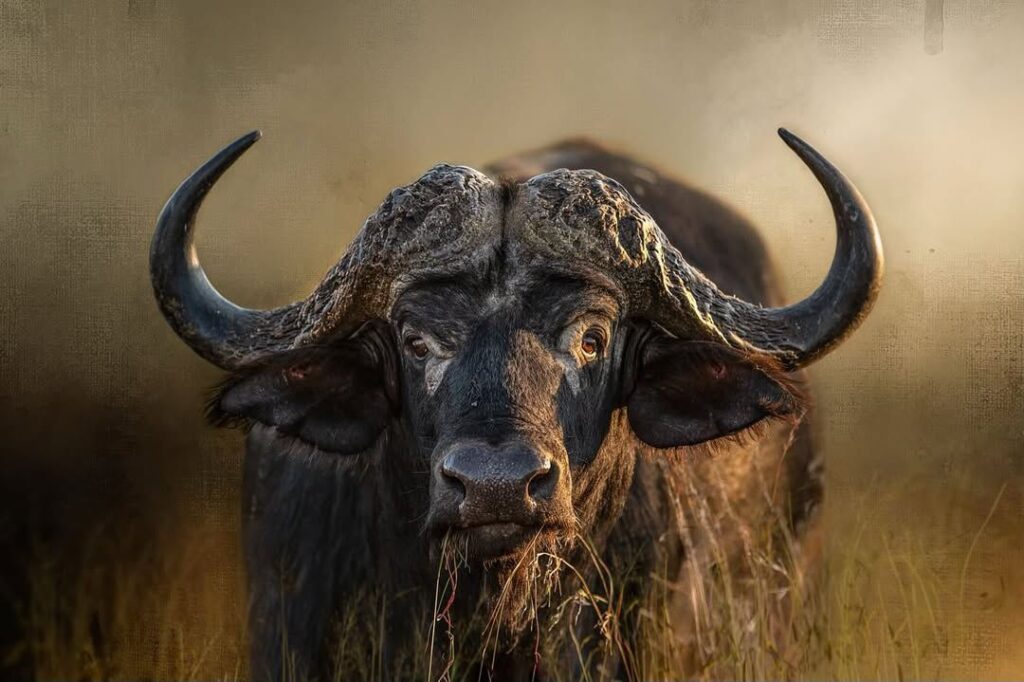
Serengeti sunsets are legendary. The flat horizon lets colour spread across the sky—deep amber, soft rose, then the absolute darkness of an unpolluted African night.
Host to the legendary Big Five and a myriad of exotic creatures, these plains provide the most dense and diverse animal encounters found throughout the entire continent.
Big Five
Big Five
Big Five
Big Five
Big Five
The park offers magic throughout the calendar—yet understanding seasonal shifts is the key to an epic adventure. To help you plan, we have created this definitive monthly breakdown for your perfect African wildlife tour.
The Southern Serengeti Erupts with Life
Visiting during January and February offers a truly breathtaking glimpse into the circle of life. Around half a million young calves emerge upon the southern short-grass savannas within a month a staggering natural phenomenon. This bounty triggers intense predator sightings; lions, cheetahs, and hyenas frequently hunt across the emerald landscape. With the scenery so vibrant and crowds much thinner, travelers enjoy better value and intimacy than during the mid-year rush. For those seeking a visceral, high-action journey through the wild, this specific period is simply unbeatable.
The Mara River Crossings — Nature's Greatest Drama
July through September is peak safari season for a reason. The Great Migration herds arrive in the northern Serengeti and begin their legendary attempts to cross the crocodile-filled Mara River. These crossings wildebeest plunging in their thousands into the churning water are one of the most dramatic wildlife spectacles on Earth. The dry season ensures excellent visibility, water sources bring animals together, and lion, leopard, and cheetah sightings are exceptional throughout the park. Book accommodation well in advance this is the most in-demand safari season anywhere in Africa.
Dramatic Landscapes, Fewer Crowds, Lower Rates
The months of March through May herald the rainy period—a lush transformation for the plains. The terrain turns a brilliant emerald, waterways swell, and the avian world becomes a riot of color. While some remote camps pause operations and roads grow muddy, the park remains alive with resident game. Spotting animals may take extra time, yet the rewards are immense. This window is ideal for savvy travelers on a budget, artists seeking moody lighting and vibrant backdrops, or anyone wanting a private, quiet encounter within these famous Tanzanian boundaries
The Herds Return South — and the Plains Come Alive
Late year visits are hidden treasures. These months feature quick afternoon storms that vanish as fast as they arrive, leaving the horizon crisp and glowing. The wandering herds start their trek back to the southern reaches, and by the end of the year, the first signs of new life appear. Foot traffic remains light compared to the winter peak, prices are better, and animal tracking is truly top-tier. December especially toward the holidays stands out as a magical time to explore, offering a vibrant atmosphere where you can feel the natural cycle starting over amidst one of the world’s most stunning backdrops.
A trip here transcends simple animal spotting; it is a profound journey into one of the final authentic frontiers on our planet.
The best time to spot predators and herds on the move. Your guide will navigate the plains at first light, when the bush is alive and activity peaks.
Drift silently over the golden plains at dawn. From above, the scale of the Serengeti becomes breathtaking — a perspective you'll never forget.
As the sun drops below the horizon, settle in for a sundowner in the wild — a cold drink, a warm fire, and a sky full of stars.
Travel to Serengeti
Most global voyagers arrive at Kilimanjaro International Airport (JRO) near Arusha, or landing at Julius Nyerere International (DAR) in the coastal city of Dar es Salaam.
Local flights run from Arusha to various strips like Seronera or Kogatende. This saves time while granting amazing views.
The drive from Arusha takes 7–8 hours, crossing the Ngorongoro region. Most tour guides include this drive in longer trips to ensure you see the most scenery while traveling through the highlands.
"Our 8-day safari with Safari Peak was truly an unforgettable adventure. From the very first day, we knew we were in good hands with our amazing guide, Mr. Linus. We explored Ndutu, Ngorongoro Crater, and the Serengeti. Rain or shine — we did it, and it was absolutely worth it."
"Amazing 7-Day Mount Kilimanjaro Climb with Safari Peak. Everything was perfectly organized. The guides were professional, knowledgeable, and incredibly supportive. Watching the sunrise from the Roof of Africa was emotional and absolutely worth the effort."
"Unforgettable 10-Day Safari with Safari Peak. We saw the Big Five, the Great Migration, and countless other animals up close. Safari Peak paid attention to every detail and was always flexible to our needs. Their communication was clear, honest, and friendly."
"We wanted to experience all that Tanzania had to offer and settled on Safari Peak, and are so glad we did. Richard was so helpful and knowledgeable. The trip was beyond our expectations. Our only regret was ending our trip. It felt like leaving family."
"Von Anfang bis Ende war alles perfekt organisiert - a big thank you to Richard and his team! The lodges, the drives, and the entire planning were outstanding. Richard and his team also organized my marriage proposal beautifully — a magical moment we'll never forget."
"Safari Peak organised a 2-week holiday for my son and I including the 7-day Machame trek up Kilimanjaro and a 6-day jeep safari. Safari Peak made us feel very welcome in Tanzania and left us with a lifelong impression of the people and country."
From boutique tented sites in the wild to elite lodges with private pools and wellness spas—the park provides premier stays for all. Whether you seek raw nature or high-end luxury, you will find a perfect home base.
Smart prep ensures a better trip; here is what veteran voyagers suggest for staying safe and comfortable on the African savan
Wear muted colors like khaki or beige to blend into the bush and avoid bothering the fauna.
Carry high-end lenses and optics; these moments are fleeting and deserve clarity.
Trust your guide’s lead; remaining in the jeep is non-negotiable for your protection.
Use UV protection and bug spray every day—the heat and pests are relentless.
Reserve your stays months ahead of time, particularly for peak months.
Keep USD on hand for gratuities or handcrafted items.
Serengeti Safari FAQs
Find rapid solutions to common traveler queries and prepare for your ultimate bush adventure.
Timing depends on which part of the herd you wish to see. Generally, the herds are in the Southern Serengeti for calving (January–March) and reach the Northern Serengeti for the dramatic Mara River crossings (July–October). Furthermore, visiting during the “Green Season” (November–May) offers lush landscapes and elite birdwatching with fewer crowds.
The park is home to the famous Big Five (lion, leopard, elephant, buffalo, and rhino). Additionally, the Serengeti National Park safari ecosystem supports massive prides of lions, cheetahs, hyenas, and over 500 species of birds, making it one of the most biodiverse regions on earth.
“Have a more specific question? Our experts are online now to assist”
Ready to go? Connect via our form or message us on WhatsApp—our experts are on standby to craft your dream trip and will get back to you with lightning fast speed.
Fastest way to get a response
Our safari experts are available 7 days a week. Ask anything — from itinerary advice to availability checks. We typically respond within minutes during business hours.
Mon – Sat, 8am – 6pm EAT
Response within 24 hours