
Where the giants roam—and a massive elephant gathering unfolds against a backdrop of ancient baobabs and golden riverbeds. This is the wild at its most magnificent.
Introduction
Some places transform your perspective. Tarangire National Park Safari stands as a rugged masterpiece, covering 2,850 square kilometers of Northern Tanzanian wilderness. This sanctuary serves as a vital pulse for the region—a stunning theater of red-earth plains, granite ridges, and iconic baobab forests that have stood for centuries. Yet, the massive elephant concentration defines this territory. During the dry months, thousands of these gentle giants converge on the life-giving Tarangire River, seeking its permanent waters. This seasonal gathering remains the area’s premier wildlife spectacle, offering an intimate and powerful encounter that stays with you long after you leave the bush.
Location
Tarangire National Park is situated in northern Tanzania, within the East African rift. It lies south of the large Lake Manyara and forms the center of a vital migratory loop that includes the vast Maasai Steppe—creating a essential sanctuary for animals during the long dry seasons. The closest major gateway is Arusha, located approximately 120 km to the northeast, serving as the main jumping-off point for all northern circuit safaris. Most travelers fly into Kilimanjaro International Airport (JRO) or the hub in Dar es Salaam, before making the short two-hour drive to the main gate or flying into local airstrips like Kuro.
From value driven explorers to high-end guests, we offer Tarangire National Park Safaris tailored for every budget and timeline. Each trip is led by experts, with all entrance permits and private transport included in your northern circuit.
No two drives here are identical. From the massive silhouettes of baobabs at sunrise to the dramatic sight of elephant herds at the river this is the bush at its most authentic and visually striking level.
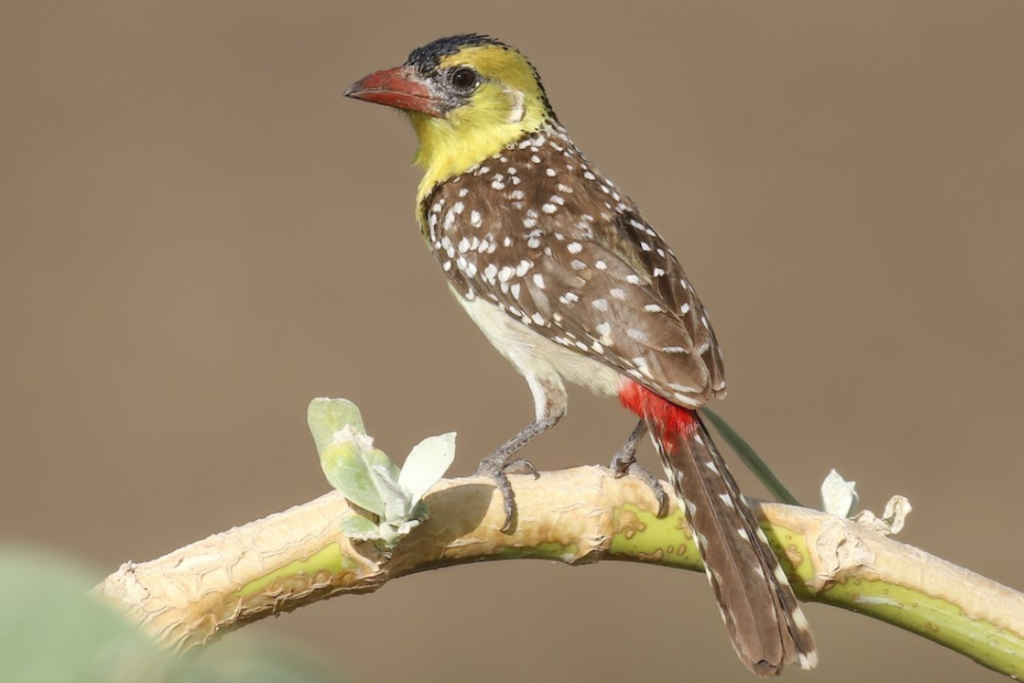
Tarangire supports a massive concentration of giants. Thousands of elephants and migratory wildebeest share the baobab landscape with lions and pythons. A wild theater.
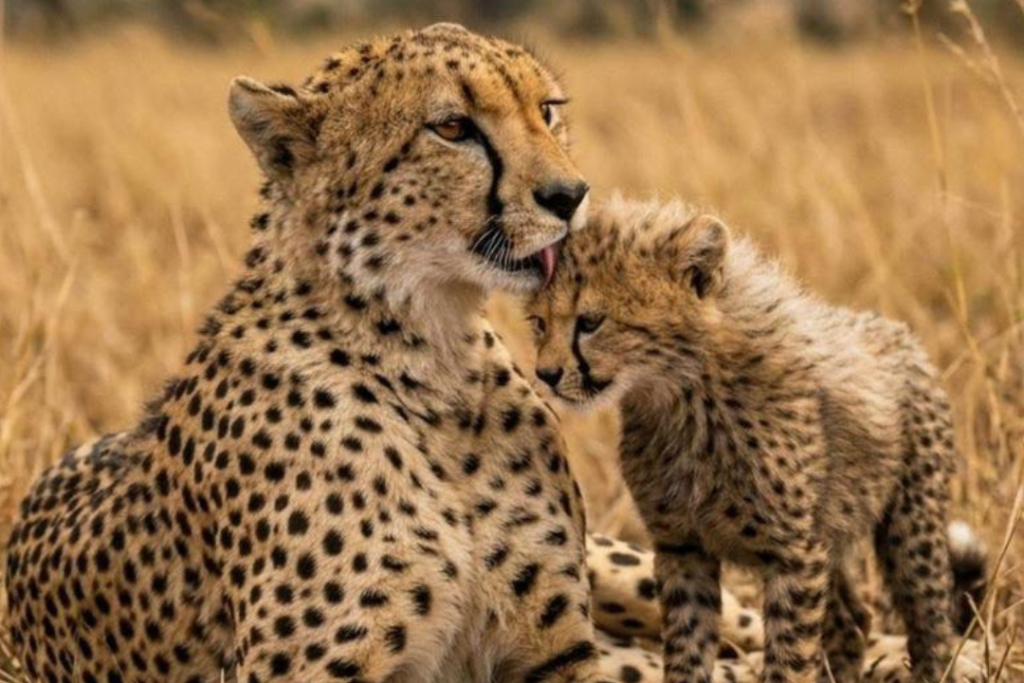
From the iconic Silale Swamps to the granite ridges and the vast groves of ancient baobabs, Tarangire’s diverse terrain surprises even veteran travelers. This rugged ecosystem offers a wilder, more intimate atmosphere.
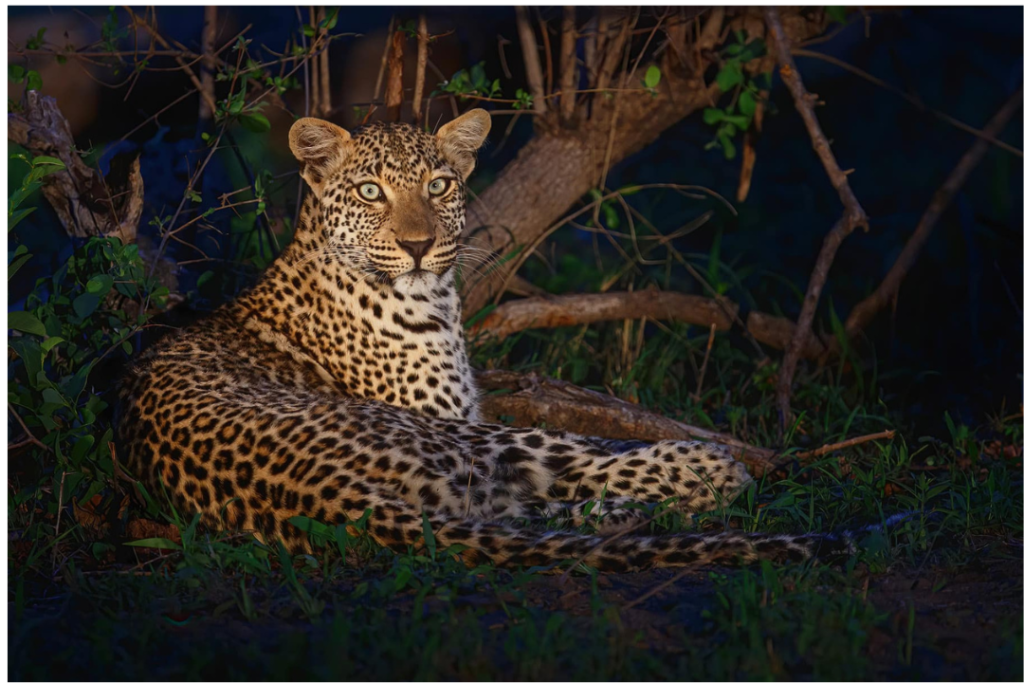
Experience Tarangire’s nocturnal world. Guided night drives reveal leopards, genets, and bushbabies under the stars. A rare, thrilling peek at Africa’s secret wildlife.
Home to the world’s highest density of elephants and unique dry-land species, these riverbanks provide the most concentrated and diverse animal viewings available across the entire northern Tanzanian territory.
Big Five
Big Five
Big Five
Big Five
Big Five
Tarangire is famous for its unique tree-climbing lions. Watch these powerful prides lounge in ancient sausage trees to escape the heat of the plains.
As the “Home of Giants,” this park hosts thousands of elephants. Seeing three hundred gather at the river is a moving, majestic sight unlike any other.
During the dry season, over 250,000 animals migrate into the park for water. This concentrated surge of zebra and wildebeest creates a dramatic, high-action survival spectacle.
Tarangire offers unique rewards throughout the year but choosing the right months is the difference between a good trip and a world-class safari. From the dry-season herds to the emerald birding months, here is your essential monthly handbook.
The Park of New Beginnings
January and February are exceptional for an intimate Tarangire National Park Safaris. During this emerald window, thousands of zebras and wildebeests give birth across the lush southern reaches a poignant display of life. Predator activity remains intense as lions and leopards track herds through high-growth grasses. The scenery is vibrant, visitor density is low, and rates are far more attractive than the peak. For those seeking a quiet, scenic, and raw experience, this is the perfect time.
The Great Elephant Gathering
July through September is the absolute peak of the Tarangire calendar for a vital reason. As the land dries, the Tarangire River becomes the only permanent water source, drawing massive elephant herds in their hundreds. This “mini-migration” is a dramatic sight in Tanzania. The arid weather ensures sparse vegetation for perfect visibility, while predators wait near the riverbanks. Early booking is essential for travelers seeking this iconic kingdom of giants.
Lush Vistas and Birding Paradise
March to May brings the long rains, turning Tarangire National Park Safaris into an emerald paradise the true off-season. Baobabs sprout leaves and birdlife peaks with 550+ species. While some camps close and trails get muddy, the park offers rare solitude. It is a dream for photographers seeking dramatic skies and budget travelers wanting lower rates. Though wildlife disperses into the woods, the quiet beauty and private safari feel are truly rewarding for those seeking a unique escape.
The Refreshing Shoulder Season
November and December are the park’s hidden gems. The short rains bring quick, cooling afternoon showers that settle the dust and turn the landscape a soft, golden green. Migratory birds from Europe arrive in flocks, and the resident herds begin moving back toward the central river valleys. The atmosphere is festive and peaceful, with fewer vehicles and excellent game viewing as the cycle of life begins its renewal once more.
A Tarangire National Park Safarisi is more than wildlife viewing it is a quiet immersion in a prehistoric world where massive elephants and ancient baobabs dominate a rugged landscape.
The best time to spot predators and herds on the move. Your guide will navigate the plains at first light, when the bush is alive and activity peaks.
Drift silently over the golden plains at dawn. From above, the scale of the Serengeti becomes breathtaking — a perspective you'll never forget.
As the sun drops below the horizon, settle in for a sundowner in the wild — a cold drink, a warm fire, and a sky full of stars.
Travel
Most global travelers arrive via Kilimanjaro International Airport (JRO), located near Arusha, or Julius Nyerere International Airport (DAR) in Dar es Salaam for their start.
Charter and daily scheduled flights run from Arusha to local Tarangire bush airstrips like Kuro and Boundary Hill. Flying into the park maximizes your wildlife viewing time and provides stunning views of the baobabs.
Arusha to Tarangire is a short 2-hour drive on paved roads. Because of its proximity, many safari companies include this park as the ideal first stop on a northern circuit tour.
"Our 8-day safari with Safari Peak was truly an unforgettable adventure. From the very first day, we knew we were in good hands with our amazing guide, Mr. Linus. We explored Ndutu, Ngorongoro Crater, and the Serengeti. Rain or shine — we did it, and it was absolutely worth it."
"Amazing 7-Day Mount Kilimanjaro Climb with Safari Peak. Everything was perfectly organized. The guides were professional, knowledgeable, and incredibly supportive. Watching the sunrise from the Roof of Africa was emotional and absolutely worth the effort."
"Unforgettable 10-Day Safari with Safari Peak. We saw the Big Five, the Great Migration, and countless other animals up close. Safari Peak paid attention to every detail and was always flexible to our needs. Their communication was clear, honest, and friendly."
"We wanted to experience all that Tanzania had to offer and settled on Safari Peak, and are so glad we did. Richard was so helpful and knowledgeable. The trip was beyond our expectations. Our only regret was ending our trip. It felt like leaving family."
"Von Anfang bis Ende war alles perfekt organisiert - a big thank you to Richard and his team! The lodges, the drives, and the entire planning were outstanding. Richard and his team also organized my marriage proposal beautifully — a magical moment we'll never forget."
"Safari Peak organised a 2-week holiday for my son and I including the 7-day Machame trek up Kilimanjaro and a 6-day jeep safari. Safari Peak made us feel very welcome in Tanzania and left us with a lifelong impression of the people and country."
From secluded bush camps tucked among the baobabs to luxury lodges with infinity pools overlooking the river Tarangire National Park Safaris provides exceptional lodging for every type of guest. Enjoy high-end comfort while watching elephants gather at the water hole.
Smart prep ensures a superior trip; here is what veteran voyagers suggest for staying safe and comfortable on the African plains.
Pack neutral-toned clothing (khaki, olive, beige) — bright colors can disturb wildlife.
Bring a quality camera and binoculars. Wildlife sightings happen fast.
Always follow your guide's instructions. Staying inside the vehicle is essential for safety.
Apply sunscreen and insect repellent daily. The equatorial sun is intense.
Book lodges and camps well in advance, especially during migration season.
Carry US dollars for tips and small purchases in local villages.
Tarangire safari FAQs
Find quick answers to common guest questions and prepare for your ultimate bush adventure. Learn about the iconic baobab trees and the massive herds of the Tarangire River.
Tarangire is globally renowned for having the highest concentration of elephants in Northern Tanzania, with herds often exceeding 300 individuals. It is equally famous for its prehistoric landscape dominated by ancient, giant baobab trees and its status as a critical dry-season refuge for migratory wildlife.
You can see four of the “Big Five” here: lions, leopards, elephants, and buffalo. While rhinos are not present in this ecosystem, the park offers unique sightings of rare dry-country antelope like the long-necked gerenuk and fringe-eared oryx, which are not easily found in the Serengeti
The Tarangire River is the only permanent water source in the entire region during the dry season (June–October). This forces thousands of animals—including wildebeest, zebras, and giraffes—to migrate into the park, creating dense wildlife concentrations that rival the Serengeti’s famous plains.
Yes, it is a premier birding hub. With over 550 recorded species, Tarangire National Park Safaris boasts the most diverse avian population in Tanzania. Birders can spot everything from the world’s largest bird, the ostrich, to tiny yellow-collared lovebirds and more than 50 different species of raptor
“Have a more specific question? Our experts are online now to assist”
Ready to go? Connect via our form or message us on WhatsApp—our experts are on standby to craft your dream trip to the land of giants and will get back to you with lightning fast speed. We cannot wait to show you the beauty of the park.
Fastest way to get a response
Our safari experts are available 7 days a week. Ask anything — from itinerary advice to availability checks. We typically respond within minutes during business hours.
Mon – Sat, 8am – 6pm EAT
Response within 24 hours