
Where the clouds never rest and the greatest mountain spectacle on Earth plays out across a frozen, snowy horizon. Stand atop the peak of the continent.
Introduction
Some destinations redefine your soul. Mount Kilimanjaro Climbing Toursstands as a premier jewel, spanning five distinct climate zones on Tanzanian soil. This sanctuary serves as a vibrant heart for high Africa a sprawling theater of lush rainforests, volcanic moors, and arctic deserts that have endured for ages. Yet, the legendary summit attempt defines this realm. Each season, thousands of trekkers brave a perilous ascent toward the Uhuru Peak, chasing life-changing views. This epic climb remains the globe’s premier trekking event, offering a profound journey that lingers in your mind. From the base to the ice, the mountain calls.
Location
Mount Kilimanjaro is located in northern Tanzania, in East Africa. It sits northeast of the Arusha National Park and borders Kenya’s Amboseli National Park to the north — together forming one of the world’s most extraordinary volcanic landscapes. It is the highest free-standing mountain on the planet.
From budget-conscious hikers to luxury seekers, we have a Mount Kilimanjaro Climbing Tours designed for every route and season. Each trek is fully guided, with all park fees, mountain porters, and campsite equipment completely included.
No two days on the mountain are ever the same. From the silence of a cloud-forest at dawn to the raw theatre of a summit push at dusk this is nature at its most honest. Stand atop the highest point in all Africa.
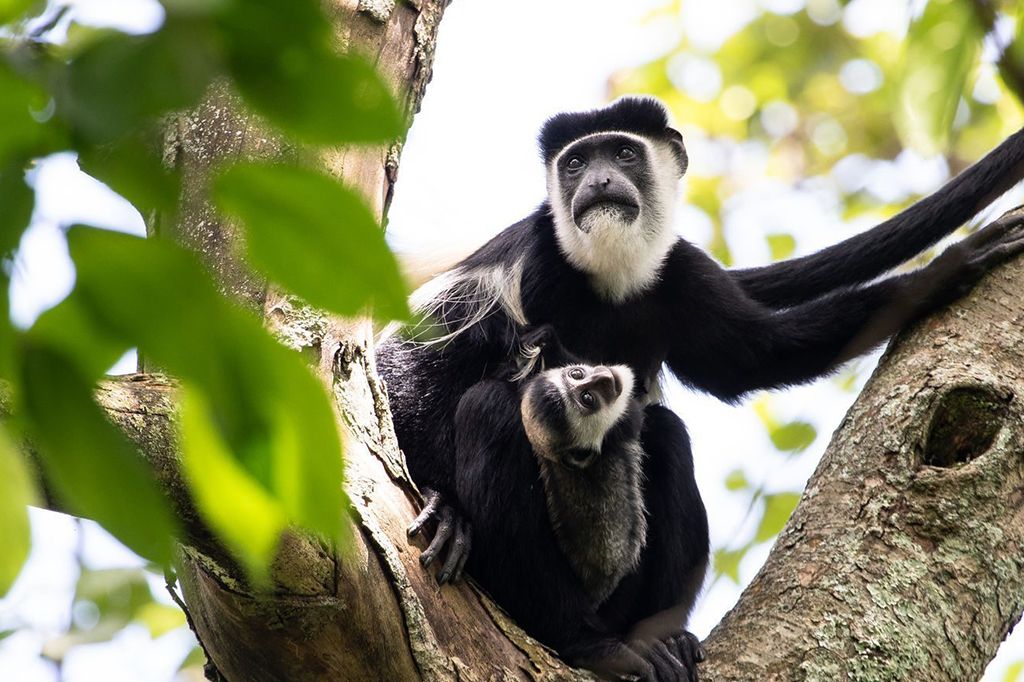
Kilimanjaro holds five climate zones. Colobus monkeys and unique flora share the land with trekkers. Traverse from tropical heat to the frozen, glacial mountain summit.
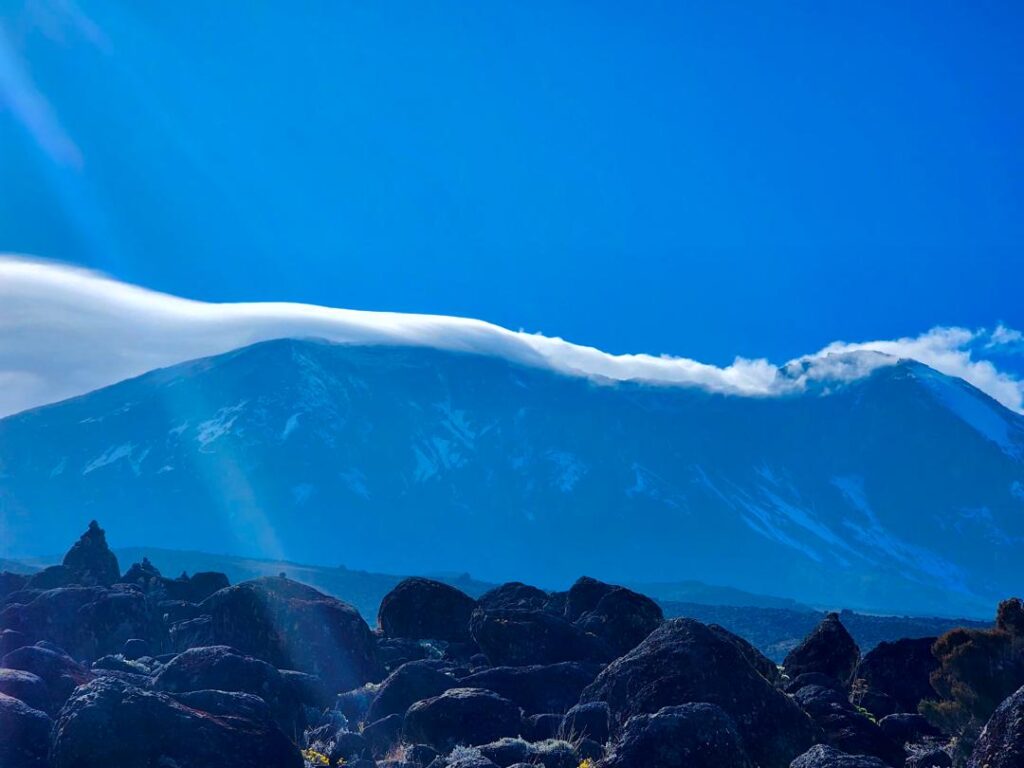
From Machame’s rainforest to Barranco Wall and Uhuru Peak, Kilimanjaro’s diversity surprises hikers. Each day offers a new world, from misty woods to frozen glaciers.
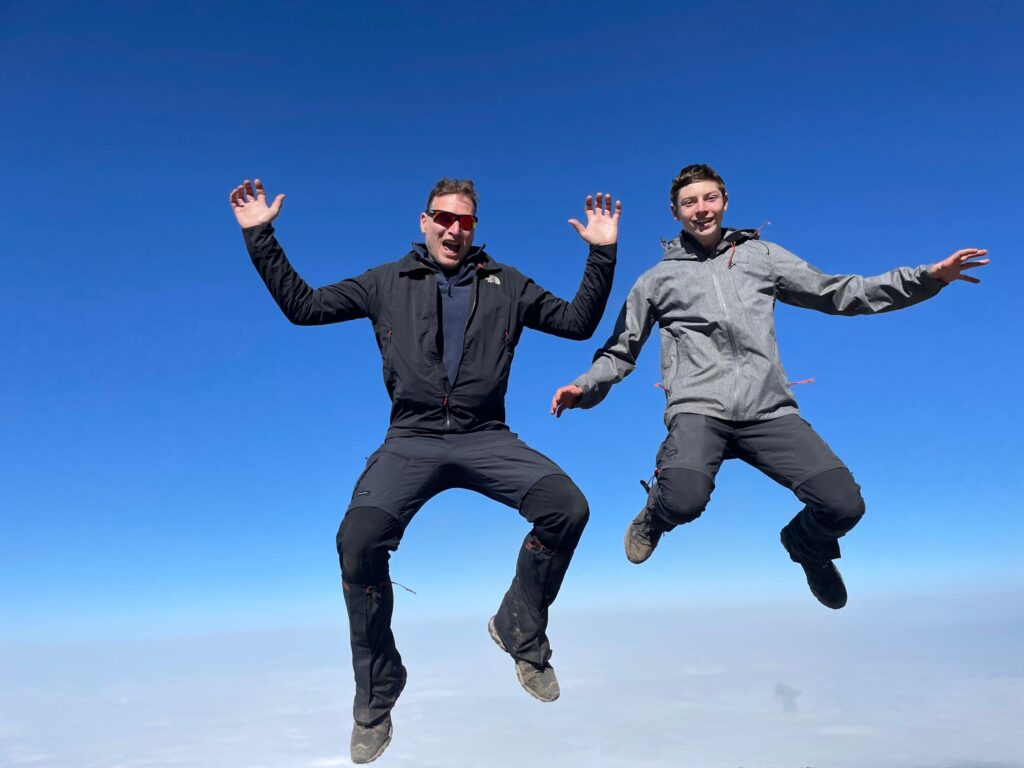
Kilimanjaro sunrises are legendary. High altitudes let colour spread across the sky—deep amber, soft rose, and the darkness of a night spent above clouds near the stars.
No two days on the peak are ever the same. From the silence of a rainforest at dawn to the raw theatre of an arctic summit at dusk—this is nature at its most honest. Stand atop the roof of Africa and touch the sky.
Life-changing achievement
Best success rate
Ideal for beginners
Best Views
Forest wildlife & scenery
Reach Uhuru Peak, the highest point in Africa. This once-in-a-lifetime climb takes you through rainforest, moorland, and alpine desert to the glacier-covered summit.
The most popular Kilimanjaro route, known for its scenic beauty and high success rate. Ideal for trekkers looking for a balanced and rewarding climb over 6–7 days.
A premium route with fewer crowds and excellent acclimatization. Offers stunning panoramic views and one of the highest summit success rates.
Mount Kilimanjaro Climbing Tours rewards visitors in every month of the year but knowing the seasons means the difference between a good safari and a truly unforgettable one. Here is your complete month-by-month guide.
The Best Weather for a Clear Summit
January and February are among the most spectacular months to climb Kilimanjaro. These months offer the warmest temperatures and the clearest skies, providing trekkers with incredible views of the glaciers and the plains below. Because it falls during the short dry season, the trails are generally firm and dry, making the ascent much more comfortable than in the rainy months. Visibility is at its peak, with the Milky Way visible from high camps. While popular, the mountain is less crowded than July, offering a perfect balance of stable weather and stunning alpine scenery for those seeking a summit.
The busiest months on the mountain — Clear and Crisp
July through September is peak climbing season for a reason. These months offer the most consistent weather patterns, with very little rain and bright, sunny days. This is when the summit success rates are at their highest, as trekkers avoid the slippery mud of the lower forests and the heavy snows of the crater rim. The clear air ensures breathtaking vistas across the Rift Valley and toward the distant Kenya border. Because of these ideal conditions, the main routes like Machame and Lemosho see the highest number of climbers. Book your mountain crew well in advance — this is the most in-demand trekking window in East Africa.
Challenging Conditions, Quiet Trails, Lower Rates
March to May brings the long rains to Kilimanjaro — the mountain’s off-season. The landscape transforms as the lower rainforests become lush and vibrant, though the upper slopes often face heavy snow and mist. Some routes can become very slippery, and trekking requires high-quality waterproof gear and a bit of mental grit. However, the reward is total solitude; you will often have the campsites and the summit completely to yourself. This is the season for experienced hikers, photographers who crave dramatic cloud formations, and those seeking a more rugged, private experience on the roof of the continent at lower prices.
The Return of the Sun — A Festive Mountain Glow
November and December are underrated gems for a climb. The short rains bring brief afternoon showers that quickly clear, leaving the air incredibly crisp and the snow-capped peak glowing in the sun. The mountain is quieter than the mid-year peak, and the game viewing in nearby parks is excellent for those adding a post-climb safari. By late December, the weather stabilizes again for the holiday season. Climbing during this window offers a festive atmosphere at the high camps and a sense of renewal as the glaciers glisten under the equatorial sun. It is a beautiful and rewarding time to stand on the Uhuru summit.
A Kilimanjaro trek is more than a hike — it’s a complete immersion in one of Earth’s last truly pristine alpine environments.
The best time to reach the peak and see the sunrise. Your guide will navigate the scree at midnight, when the air is still and focus peaks. Reach the frozen summit as the world awakes.
Trek silently along the ancient ice walls at dawn. From above, the scale of the crater becomes breathtaking — a perspective you'll never forget. Walk beside the last glaciers of Africa.
As the sun drops below the clouds, settle in for a sundowner at camp — a hot drink, a warm tent, and a sky full of stars. Experience the absolute peace of the high altitude.
Travel
Most international visitors fly into Kilimanjaro International Airport (JRO), near Arusha, or Julius Nyerere International Airport (DAR) in Dar es Salaam.
Domestic flights operate from Dar es Salaam or Zanzibar directly to Kilimanjaro Airport (JRO). Flying in saves time and offers spectacular aerial views of the Uhuru peak as you descend toward the mountain's base.
Moshi to the park gates is approximately 45–60 minutes by road, passing through lush foothills. Most trekking operators include these airport and gate transfers within their summit itineraries.
"Our 8-day safari with Safari Peak was truly an unforgettable adventure. From the very first day, we knew we were in good hands with our amazing guide, Mr. Linus. We explored Ndutu, Ngorongoro Crater, and the Serengeti. Rain or shine — we did it, and it was absolutely worth it."
"Amazing 7-Day Mount Kilimanjaro Climb with Safari Peak. Everything was perfectly organized. The guides were professional, knowledgeable, and incredibly supportive. Watching the sunrise from the Roof of Africa was emotional and absolutely worth the effort."
"Unforgettable 10-Day Safari with Safari Peak. We saw the Big Five, the Great Migration, and countless other animals up close. Safari Peak paid attention to every detail and was always flexible to our needs. Their communication was clear, honest, and friendly."
"We wanted to experience all that Tanzania had to offer and settled on Safari Peak, and are so glad we did. Richard was so helpful and knowledgeable. The trip was beyond our expectations. Our only regret was ending our trip. It felt like leaving family."
"Von Anfang bis Ende war alles perfekt organisiert - a big thank you to Richard and his team! The lodges, the drives, and the entire planning were outstanding. Richard and his team also organized my marriage proposal beautifully — a magical moment we'll never forget."
"Safari Peak organised a 2-week holiday for my son and I including the 7-day Machame trek up Kilimanjaro and a 6-day jeep safari. Safari Peak made us feel very welcome in Tanzania and left us with a lifelong impression of the people and country."
From dormitory-style mountain huts on the Marangu Route to high-quality four-season tents with private dining—Kilimanjaro offers functional and rugged accommodation for every style of trekker seeking to conquer the roof of the continent.
Smart prep ensures a better trip; here is what veteran voyagers suggest for staying safe and comfortable on the African slopes. Climb high, sleep low.
Wear moisture-wicking layers to manage sweat and avoid hypothermia in the arctic zone.
Carry quality trekking poles; they protect your knees during the steep, rocky descent.
Always follow your guide's instructions. Staying inside the vehicle is essential for safety.
Use high-SPF sunblock and lip balm—the UV rays at high altitude are incredibly harsh.
Train for your trek months ahead of time, focusing on cardio and weighted hill hikes.
Carry US dollars for tips and small purchases in local villages.
Mount Kilimanjaro Climbing Tours FAQs
Quick answers to the trekking questions we hear most. Climbing peaks made easy.
While it is a non-technical “walk-up” mountain, the high altitude makes it a significant physical challenge. Most healthy hikers can reach the Uhuru summit if they follow a slow pace and choose a longer route.
The Lemosho and Machame routes offer the best acclimatization profiles. These “climb high, sleep low” paths allow your body to adjust to the thinning air, significantly increasing your chances of reaching the top.
Mount Kilimanjaro stands at 5,895 meters (19,341 feet) above sea level. Its highest point is Uhuru Peak, making it the tallest free-standing mountain in the world and the highest peak in Africa.
Hydration, a slow “Pole Pole” pace, and choosing an itinerary of seven days or more are key. Many climbers also consult their doctors about Diamox to help the body adapt to the extreme elevation changes on the trek.
“Have a more specific question? Our experts are online now to assist”
Ready to go? Connect via our form or message us on WhatsApp—our experts are on standby to craft your dream trek and will get back to you with lightning fast speed. Adventure on the Roof of Africa is just a single click away. Start your summit climb today.
Fastest way to get a response
Our safari experts are available 7 days a week. Ask anything — from itinerary advice to availability checks. We typically respond within minutes during business hours.
Mon – Sat, 8am – 6pm EAT
Response within 24 hours